

Hello everyone, Laura here; it is great to be back for my second month with some handy tips and wound healing information.
I hope my first blog was of interest; please feel free to contact me with any feedback, as it is always useful to have - perhaps there's a particular aspect of wound care you think it would be helpful if I discussed in detail, for example?
I am very excited to have started these blogs. I am looking to provide snippets of insightful information every month, as it's an area that is ever-growing in practice and as mentioned on my previous blog, no two wounds are ever the same!
Today I want to briefly touch on what to look at with wounds when selecting a dressing and factors to address with non-healing wounds.
Considerations for Dressing Selection
When deciding on dressings when presented with a wound, I always recommend looking at the following factors before selecting a dressing:
- Type of wound
- The phase of wound healing it's currently in
- Level of exudate
- Level of contamination, if any
- Size and depth of the wound
- Whether any necrotic tissue or debris is present
- Where on the body is the wound situated?
- The budget available (i.e costs)
With any wound, it is vital to monitor its progression carefully and adjust interventions accordingly to its progression.
"Remember that no single dressing will produce the optimum environment for all wounds or for all stages of wound healing, in any single wound."
Once these factors have been taken into consideration, you can select the most appropriate dressing.
Non-healing wounds
These types of wounds are presented to me either from initial stages of injury, or some are wounds that have not progressed as expected.
Twelve major factors can delay healing with wounds. Yes, 12! It's quite a bit, and I always ensure these are highlighted as knowing what the cause of the delay is can help determine the next course of action.
There is always a reason why a wound is not progressing!
I can't stress enough how important it is that these factors are ticked off and addressed one-by-one to ensure all basis is covered.
12 Factors for Delayed Wound Healing
- Necrotic tissue
- Foreign body present
- Contamination
- Oxygen supply
- Poor nutritional status – diet is a key area I always recommend being adjusted when a patient has a non-healing wound
- Temperature
- Local factors such as skin tension
- Movement
- Latrogenic factors
- Cell transformation
- Diabetes
- Incorrect lavage solutions use
AUTHOR BIOGRAPHY:
Laura Robinson RVN
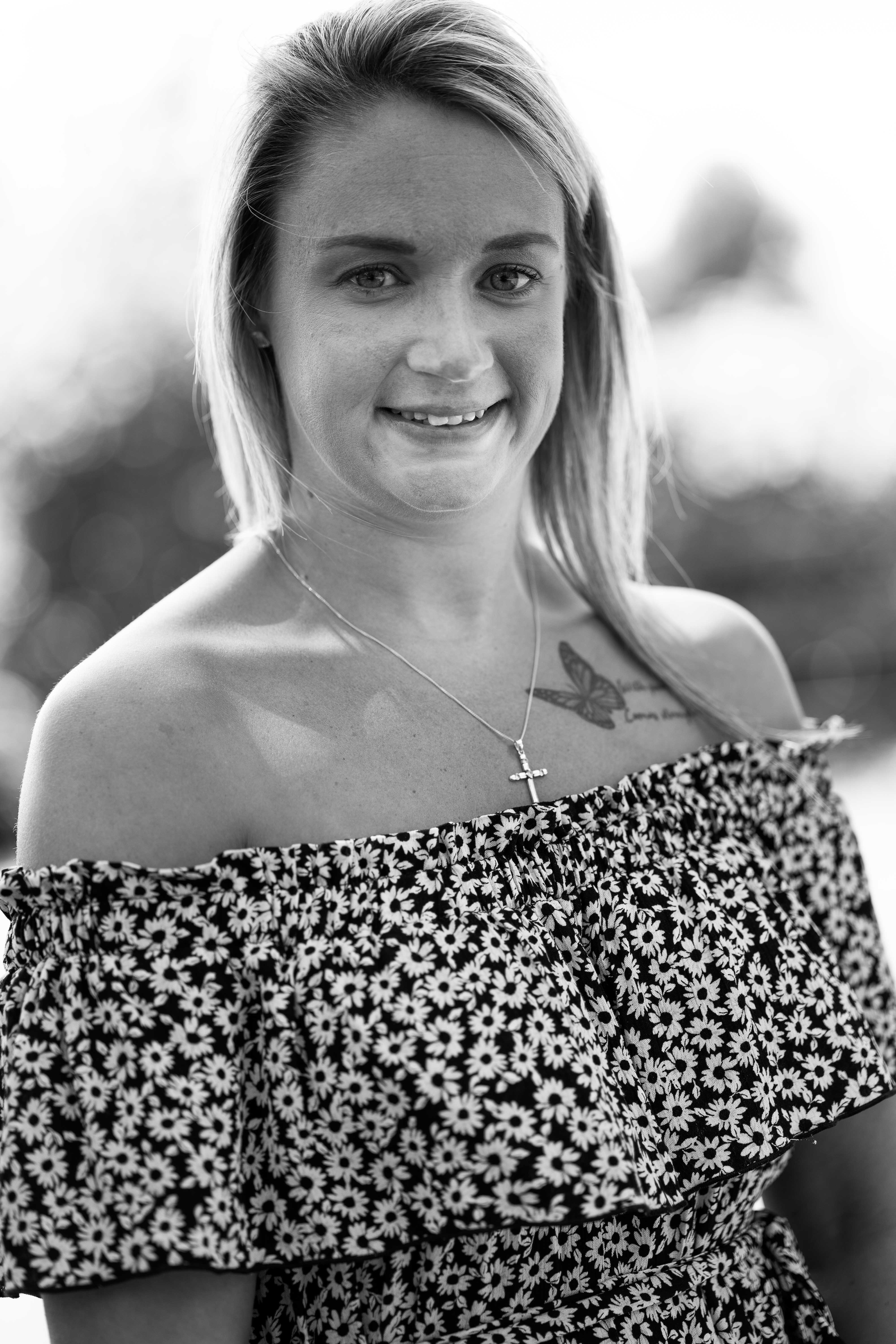
Laura qualified as a veterinary nurse in 2008. She has worked in various first opinion practices around Kent as well as referral and hospital sites, helping to increase her knowledge over the years.
With Laura’s passion for Wound Management and realising the need for practices to enhance their knowledge in this area, she decided to undergo the Delving Deeper Into Wounds Course in 2017/2018.
Laura is passionate about her role as Wound Product Technical Advisor at Pioneer, as she has the opportunity to assist and support even more vets and nurses alike throughout the UK and Ireland with information in the management of wounds.


